

The timing belt is the "metronome" of your engine, ensuring the precision-timed dance between the crankshaft and camshaft. When this belt fails, the rhythm stops—and in many cars, so does the engine's life. To avoid a catastrophic engine failure, you must distinguish between Standard Wear and Systemic Failure using this professional diagnostic protocol.
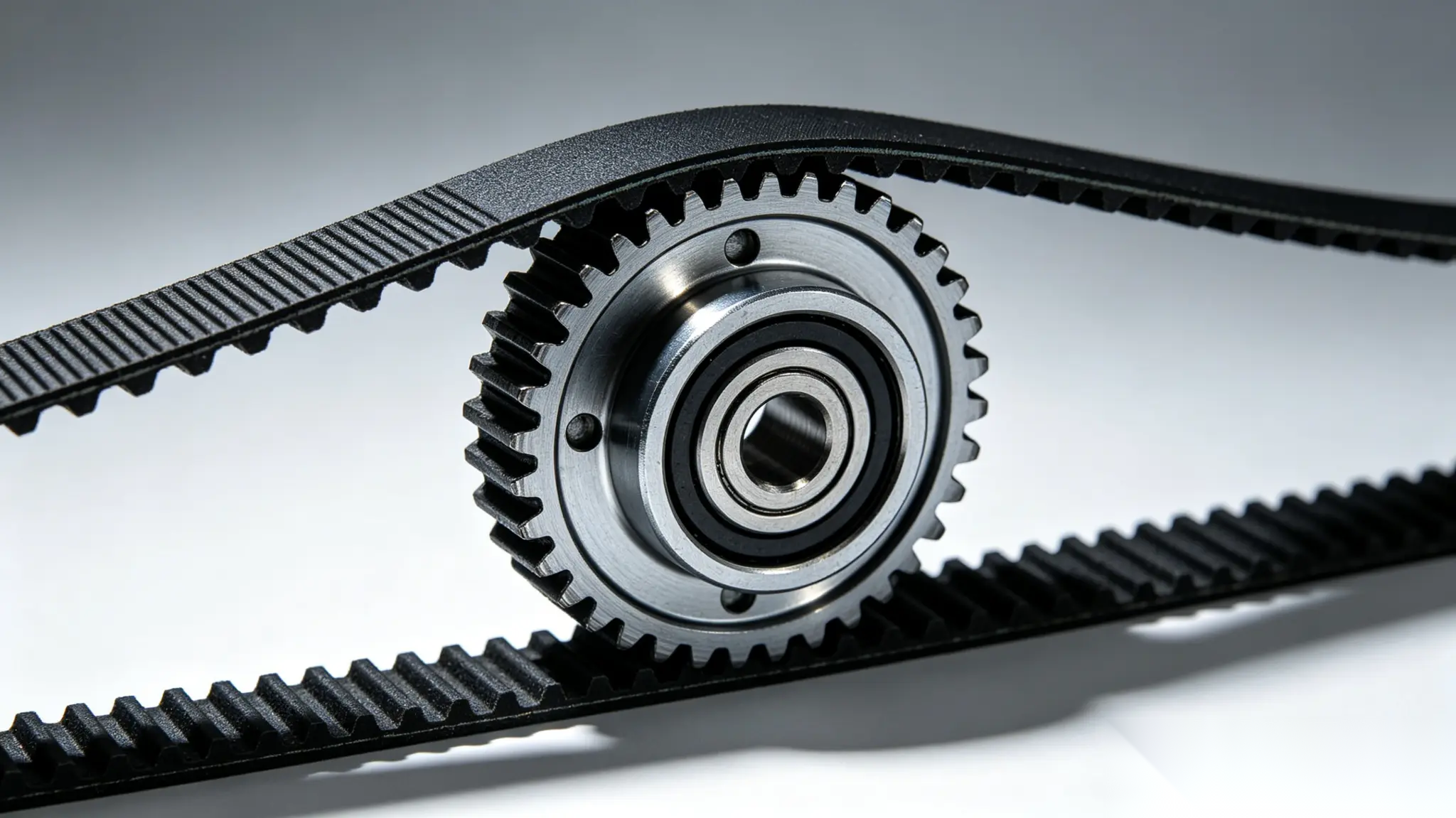
Common Red Flags of a Failing Timing Belt
If your timing belt or its tensioners are worn out, your vehicle will often signal for help through these symptoms:
- A "Ticking" Sound: A rhythmic clicking or ticking noise coming from the front of the engine.
- The Engine Won’t Start: If the belt has already snapped, the crankshaft will turn, but the camshaft won't move.
- Engine Misfiring: A stretched belt can skip a "tooth," causing incorrect valve timing.
- Oil Leaks at the Front: Oil contamination can degrade belt material and accelerate failure.
Phase 1: DIY Readiness & Systemic Exclusion
Step 0: DIY Readiness & Risk Audit
- Audit: Timing belt replacement on engines like the 2014-2020 Honda Odyssey V6 is a Red Alert task involving core engine timing systems.
- Risk: Requires specialized tools such as engine hoists and pressure testers; improper execution may result in severe engine damage.
Step 1: Systemic Exclusion (Distinguishing Wear vs. Failure)
- Standard Wear: Clean PCV and cooling systems with no contamination.
- Systemic Failure: Oil contamination from PCV issues or coolant leaks from a failing water pump causing belt slip.
Phase 2: Digital & Sensory Verification
Step 2: Digital Signal Analysis (DTC)
- Standard Wear: No significant fault codes.
- Systemic Failure: Codes like P0011 or P0016 (crank/cam correlation) plus P0300-P0304 indicate timing deviation.
Step 3: Sensory Verification (Sound & Feel)
- Standard Wear: Slight ticking noise from age-related wear.
- Systemic Failure: Tensioner noise, water pump bearing hum, burning rubber smell.
Phase 3: Visual Evidence & SKU Strategy
Step 4: Visual Ironclad Evidence
- Standard Wear: Minor belt cracking, normal pulley condition.
- Systemic Failure: Rubber debris buildup, blue/purple heat marks from overheating components.
Step 5: Matching the Fix to the Failure (What to Buy)
Based on your findings, choose the correct repair path:
| Diagnostic Conclusion | Recommended SKU Strategy | Essential Accessories |
|---|---|---|
| Standard Wear: Dry environment; no misfire codes; aged belt. | Timing Belt Kit (Standard Kit) | Flange gaskets, replacement bolts |
| Systemic Failure: Water pump leak; heat damage; bearing noise. | Full Timing Kit with Water Pump | Manifold gaskets, seals, rubber hangers |
| Environmental Poisoning: PCV oil contamination on belt. | Repair Upstream First, then install Full Kit | PCV valve, intake cleaner |
Summary: Interference vs. Non-Interference
- Interference Engines: Found in models like the 2015-2022 Subaru Outback; belt failure can cause valve-piston collision.
- Non-Interference Engines: Belt failure causes breakdown but usually avoids internal engine destruction.
The Bottom Line: Systemic failure requires full kit replacement including water pump; partial fixes risk repeat failure. Proper diagnosis ensures long-term engine synchronization.